EU Takes Steps to Reorganize Oil Reserves for Emergencies
The European Commission is preparing changes to require EU countries to form reserves based on fuel demand and refinery capacities. The draft may be approved in early December.
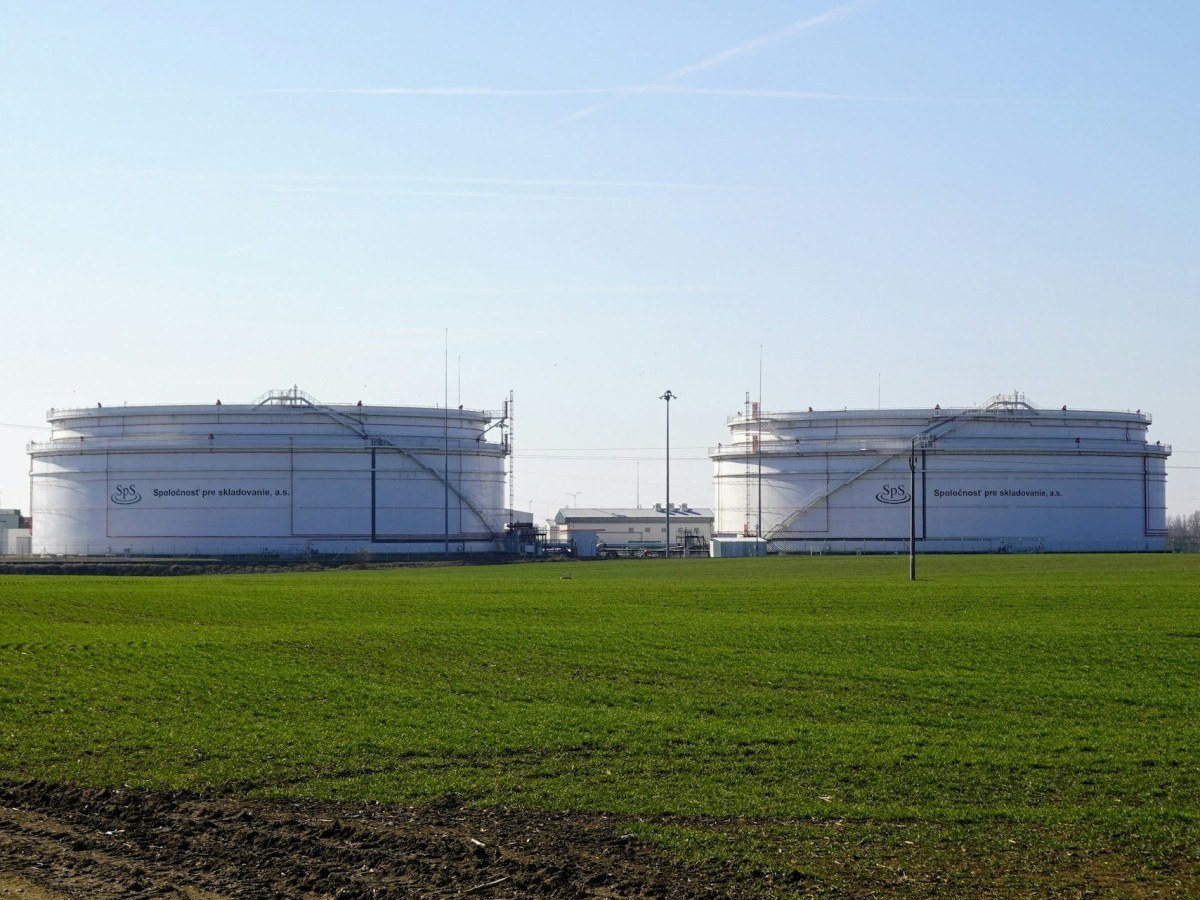
Currently, EU countries are obligated to maintain emergency oil reserves for at least 90 days of net imports or 61 days of domestic consumption—whichever is greater. A portion of the reserve must already consist of refined petroleum products, but their composition is not required to reflect domestic demand.
The European Commission proposes linking the composition of reserves to each country's fuel consumption and oil refining capacities. Against the backdrop of shrinking European refineries, the region produces more gasoline than it needs but faces a structural deficit of diesel and, especially, aviation fuel. Crude oil reserves cannot quickly replace the shortfall in imports of finished products.
In July, the total volume of emergency reserves in the EU amounted to 103.5 million tons, with 13 countries failing to meet the minimum requirements. According to EU estimates, the conflict with Iran increased the bloc's spending on diesel imports by €40 billion from March to September. The draft also includes temporary access for the military to fuel reserves in exceptional circumstances and may still be amended before approval.