Trump lost — but it seems this will change little in foreign policy and trade
The U.S. president has already demonstrated a willingness to use his veto power to block opposition initiatives
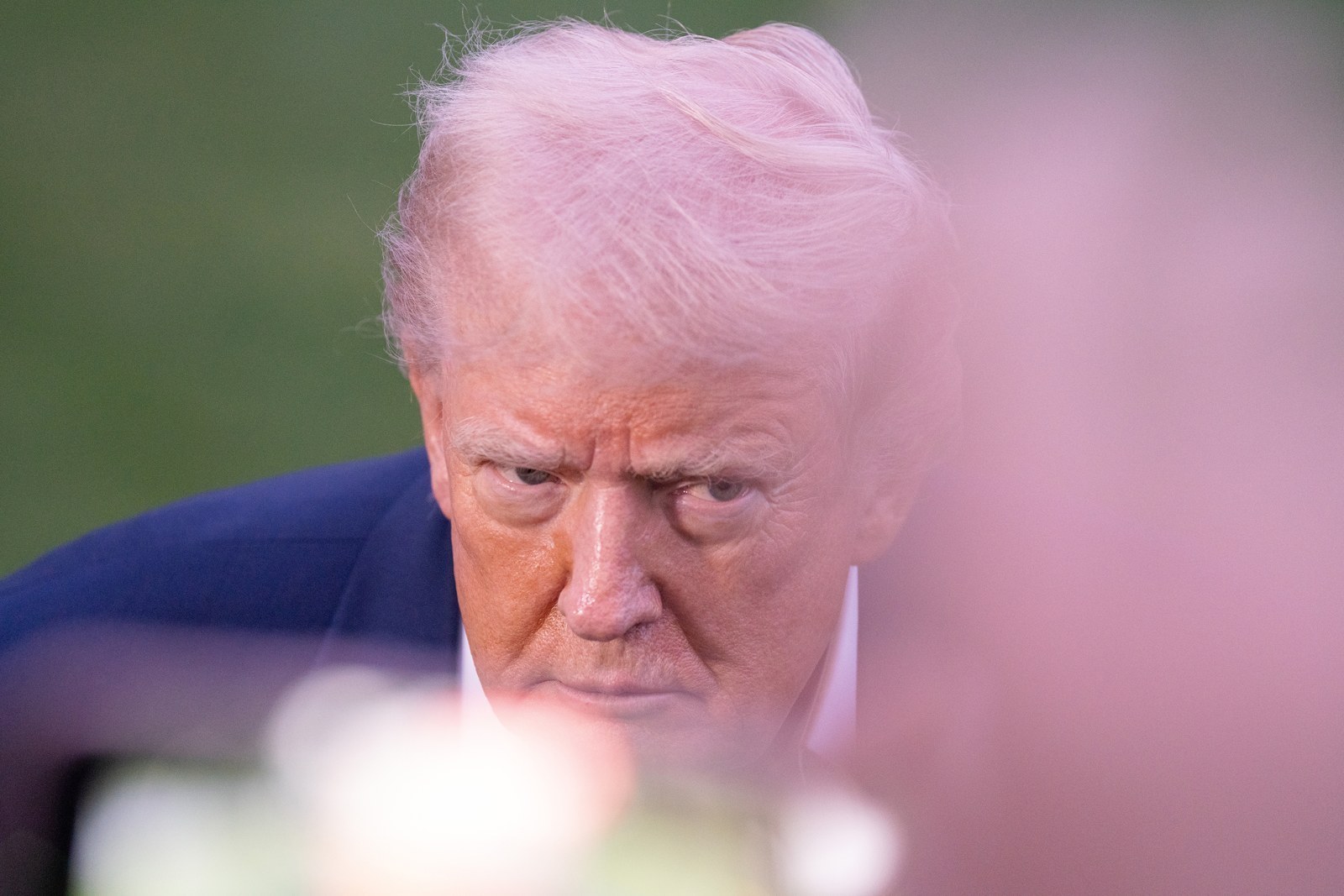
Following the midterm elections, Republicans lost control of both chambers of Congress, which passed to the Democrats. Donald Trump stated that he accepts the election results but emphasized that he does not consider this a blow to himself.
Experts agree that a Democratic Congress is unlikely to fully halt the tariff threat to Europe. After the Supreme Court blocked emergency tariffs in February, the administration reclassified them under Section 301 of U.S. trade law. This allows the president to act without legislators. As ING economist James Smith notes, foreign policy and trade remain areas where the head of state exercises sole authority, so new tariffs against Europe cannot be ruled out.
Aid to Ukraine. Although Democrats will lead Senate committees and advocate for funding Ukraine, in practice, ensuring the actual expenditure of these funds will be difficult. Previous experience shows that the White House can withhold approved allocations until the end of the fiscal year, when they are automatically canceled. As experts from the European Council on Foreign Relations warn, European governments should view targeted U.S. funds merely as intentions rather than guaranteed commitments.

How did global markets react? Financial markets responded calmly to the shift in the political balance, as investors historically welcome political gridlock in Washington—it reduces the risks of passing abrupt or extremist laws.
Nevertheless, analysts warn of long-term risks. The main future challenge may be the battle over raising the debt ceiling, which will need to be addressed in 2027. For the euro and dollar exchange rates, the key driver remains the monetary policy of the Federal Reserve, not the balance of power in Congress. The new parliament will begin its work in January, but the veto power will still rest with the president.