Uzbekistan plans to double uranium production by 2030
The President also instructed to accelerate the development of 11 more types of critical raw materials
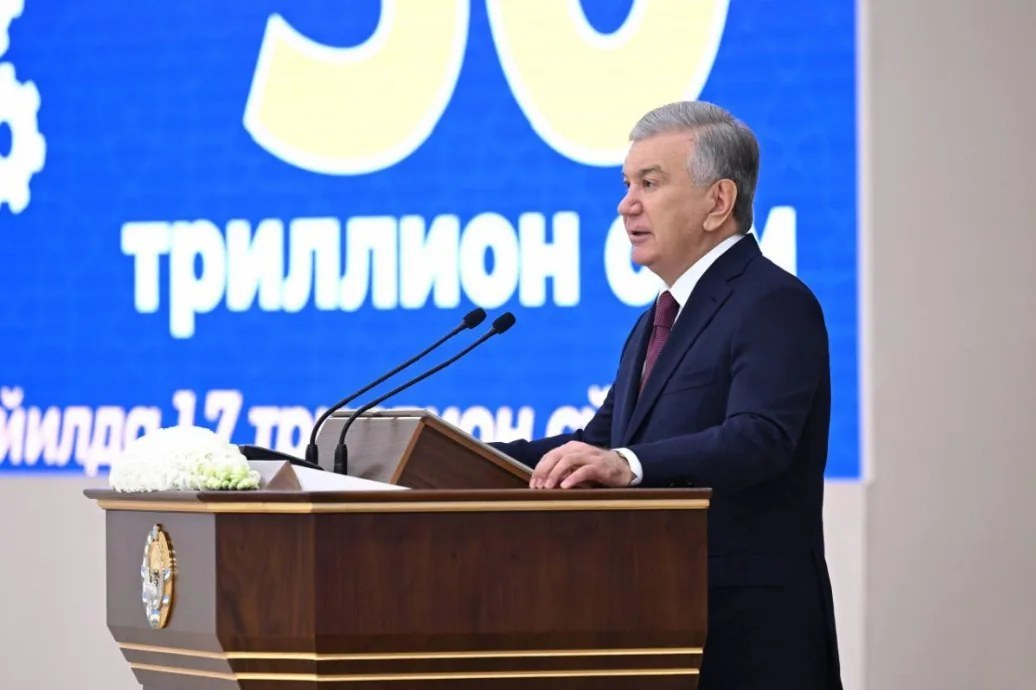
On November 5, President Shavkat Mirziyoyev was presented with the plans of two enterprises: uranium production is set to double by 2030, and the output of critical raw materials is to be increased.
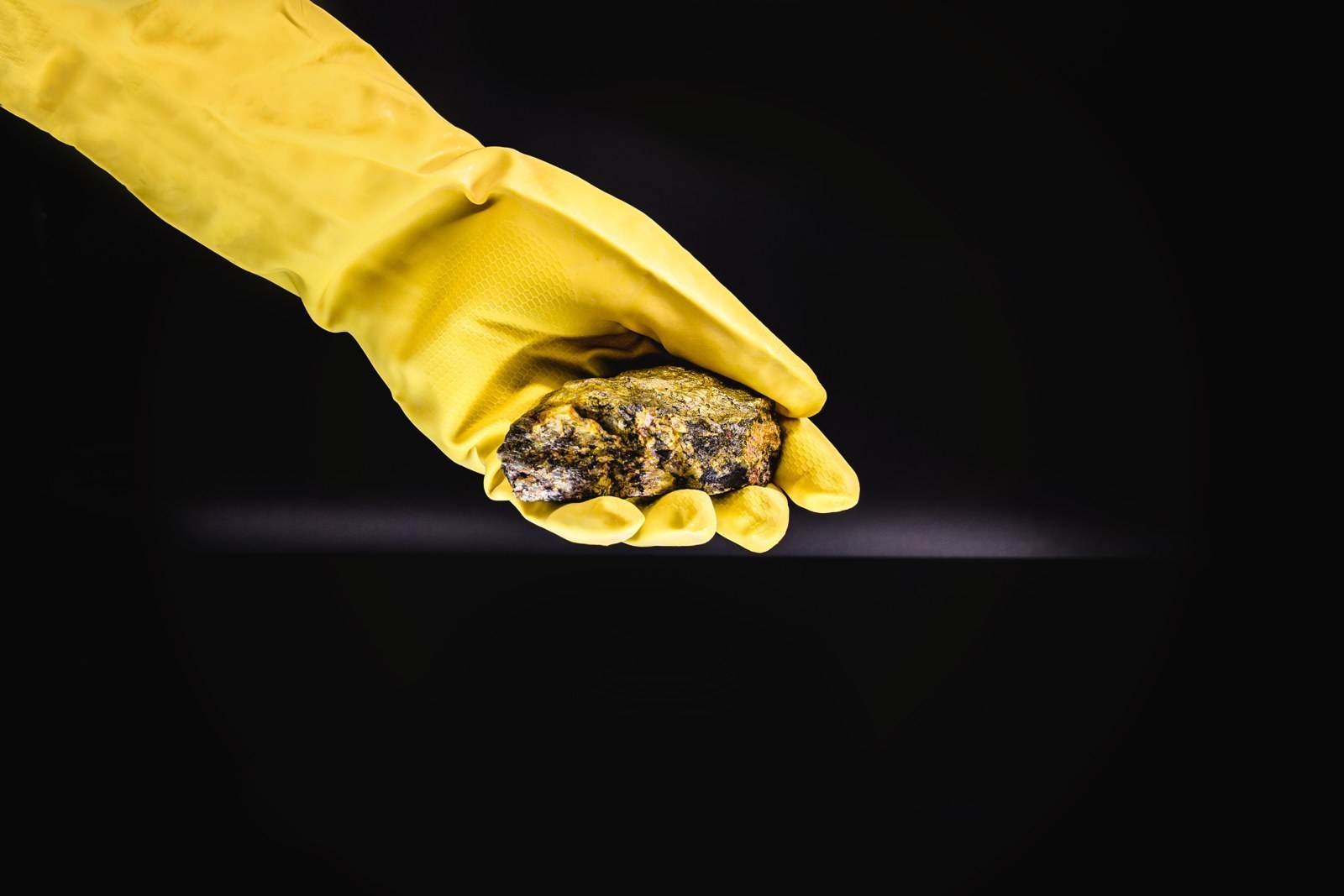
Uranium production is planned to rise from 7,500 tonnes this year to 15,000 tonnes by 2030. To achieve this, Navoiuran will expand geological exploration and technological drilling, introduce additional sorption units, and develop production infrastructure.
The presentation also discussed the supply of technical sulfur, sulfuric and nitric acids. By 2030, the share of reagents replacing sulfuric acid is intended to reach 40%. Simultaneously, explored uranium reserves are planned to increase to 200,000 tonnes.

The Uzbek Technological Metals Combine currently produces tungsten, molybdenum, selenium, tellurium, and rhenium. The President instructed to accelerate the development of 11 more types of critical raw materials, including nickel, cobalt, graphite, antimony, tin, manganese, platinum, vanadium, mercury, and copper.
By 2030, the production value of critical raw materials is expected to exceed $2.7 billion. Separately, projects for the deep processing of tungsten were reviewed, with $1.1 billion in investments planned to be attracted. By the end of this year, the combine intends to launch 12 investment projects and increase the production of high-purity selenium and tellurium.