AI Developers Switch to Aircraft Engines Due to Power Grid Shortages
Building a conventional power plant takes up to seven years, while repurposed turbines can launch a data center in just two years
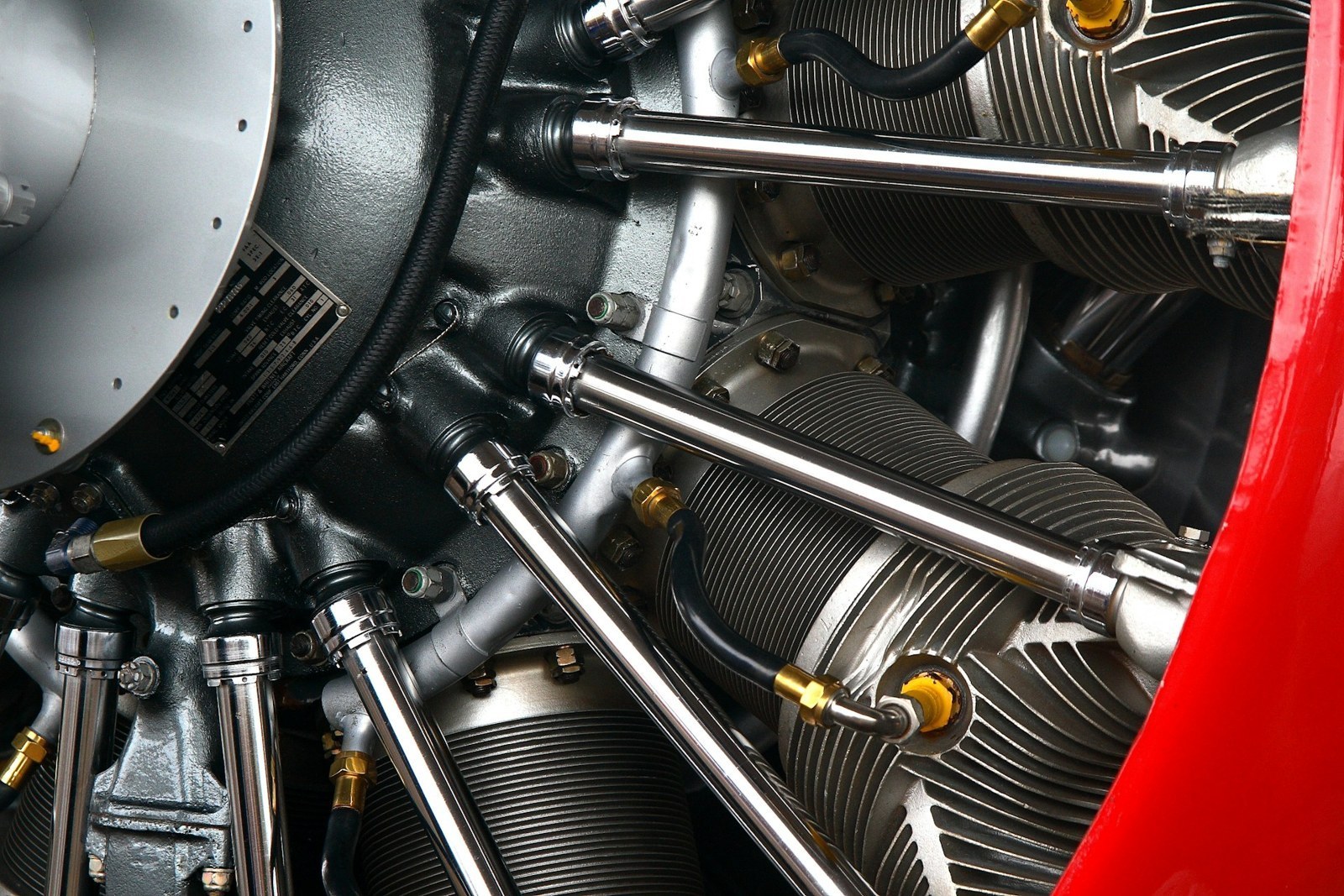
A severe shortage of electricity and years-long queues for connection to traditional grids are forcing technology companies to seek extreme methods of power generation. To avoid waiting for years, AI platforms are massively purchasing decommissioned aircraft engines and converting them into autonomous power plants.
Waiting for a 100 MW data center to connect to the general power grid (for example, in Virginia) currently takes about seven years. Using repurposed aircraft turbines, however, allows launching a facility in just 24 months.
Delays in power grid connections have already disrupted major deals. For instance, Microsoft canceled its lease of a data center from Nscale in the UK after the local grid operator stated it would not be able to supply the required capacity before the 2030s.

Elon Musk's startup xAI installed eight repurposed aircraft engines from Boeing to power its Colossus 2 supercomputer in Memphis. OpenAI and Crusoe took a similar step, ordering dozens of ProEnergy turbines for the Stargate AI complex in Texas.
This solution has significant drawbacks. Aircraft engines converted to run on natural gas have lower efficiency, require higher fuel consumption, and pollute the environment more than full-scale industrial power plants.
Experts note that the use of aircraft engines is a temporary measure driven by the current 'race-like' hype in the AI market. As environmental requirements tighten and long-term efficiency is sought, companies will still need to find more sustainable solutions.