Moscow imposes fuel sale limits at Rosneft filling stations again
Rosneft filling stations in Moscow have reintroduced fuel purchase limits following attacks on the company’s refineries supplying the capital region.
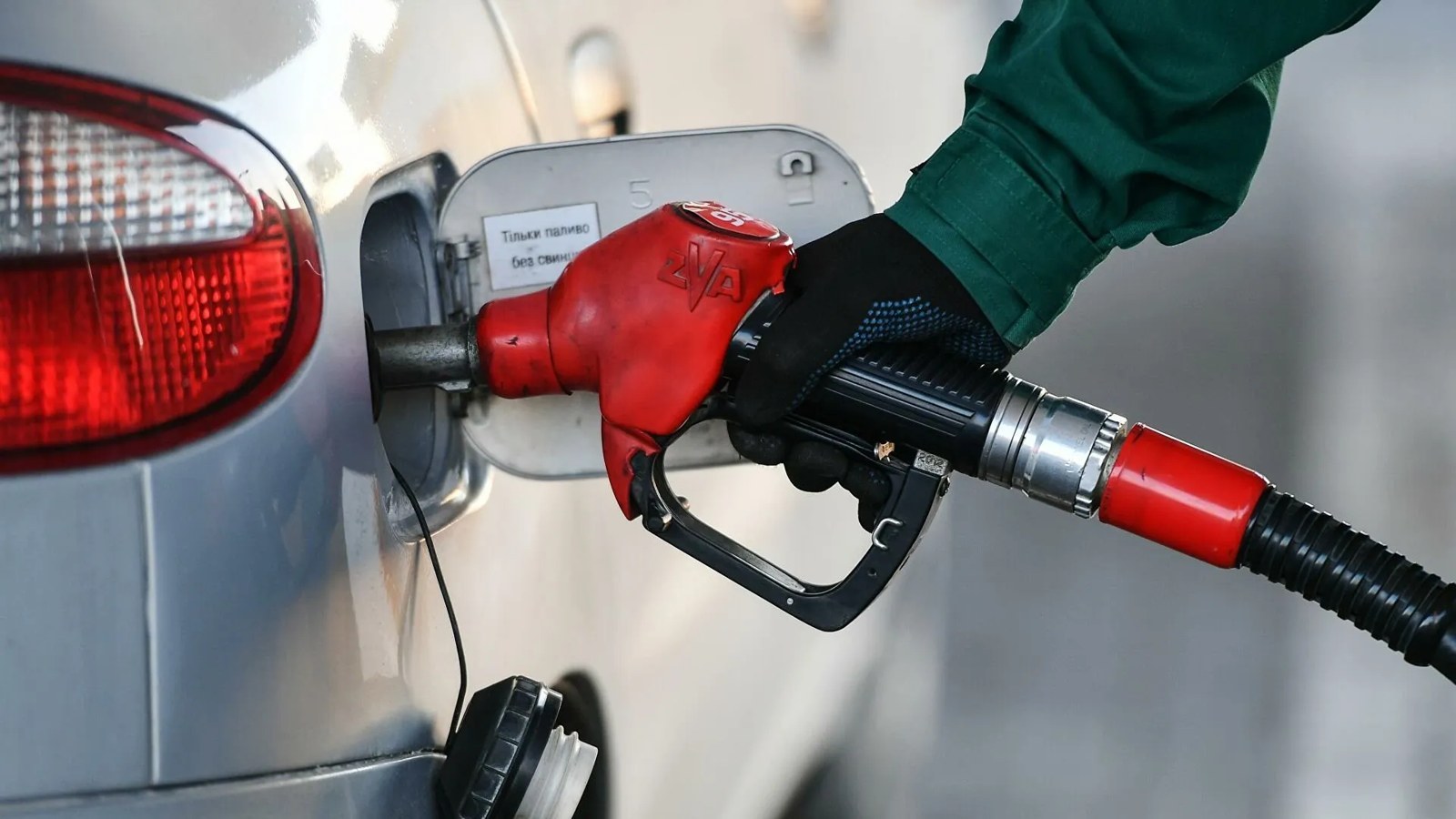
Rosneft filling stations in Moscow are now dispensing no more than 50 litres of fuel per vehicle. Additionally, customers are permitted to fill one 20-litre metal jerrycan.
A cashier at a filling station on Volgogradsky Prospekt stated that the restrictions were lifted about a week ago but have recently been reinstated. Rosneft’s hotline declined to comment on the situation.
In early November, the Armed Forces of Ukraine struck key Rosneft refineries supplying Moscow and the Moscow region. On 3 November, the Slavneft-YANOS refinery, with an annual capacity of 15 million tonnes of oil, was attacked. The facility is located in Yaroslavl Oblast and is owned by Slavneft, which is jointly controlled on a parity basis by Rosneft and Gazprom.

On 5 November, drones struck the Ryazan Refinery. Its capacity exceeds 17 million tonnes of oil refining per year, and the plant ranks third in Russia by this metric.
Other Rosneft facilities also came under attack, including the Novokuibyshevsk Refinery in Samara Oblast, Bashneft-Novoil in Ufa, and the Saratov Refinery. Following these incidents, fuel purchase limits were reintroduced at the company’s filling stations in other regions, including Buryatia, Karelia, and Krasnoyarsk Krai. Authorities in Zabaykalsky Krai stated that the restrictions are in effect nationwide.
Rosneft believes that two more months of war with Ukraine could cause long-term damage to the company’s business. According to data based on statements from top managers and internal Rosneft documents, the oil company is facing growing financial and technical challenges due to the attacks and is experiencing increasing difficulties in repairing damaged refineries.
Rosneft operates 12 refineries, accounting for one-third of Russia’s total oil refining capacity, and the company produces every second barrel of oil extracted in the country.