How Brands Profit from Millennials' Nostalgia
Positive memories are already formed, so companies don’t have to build trust from scratch: an analysis
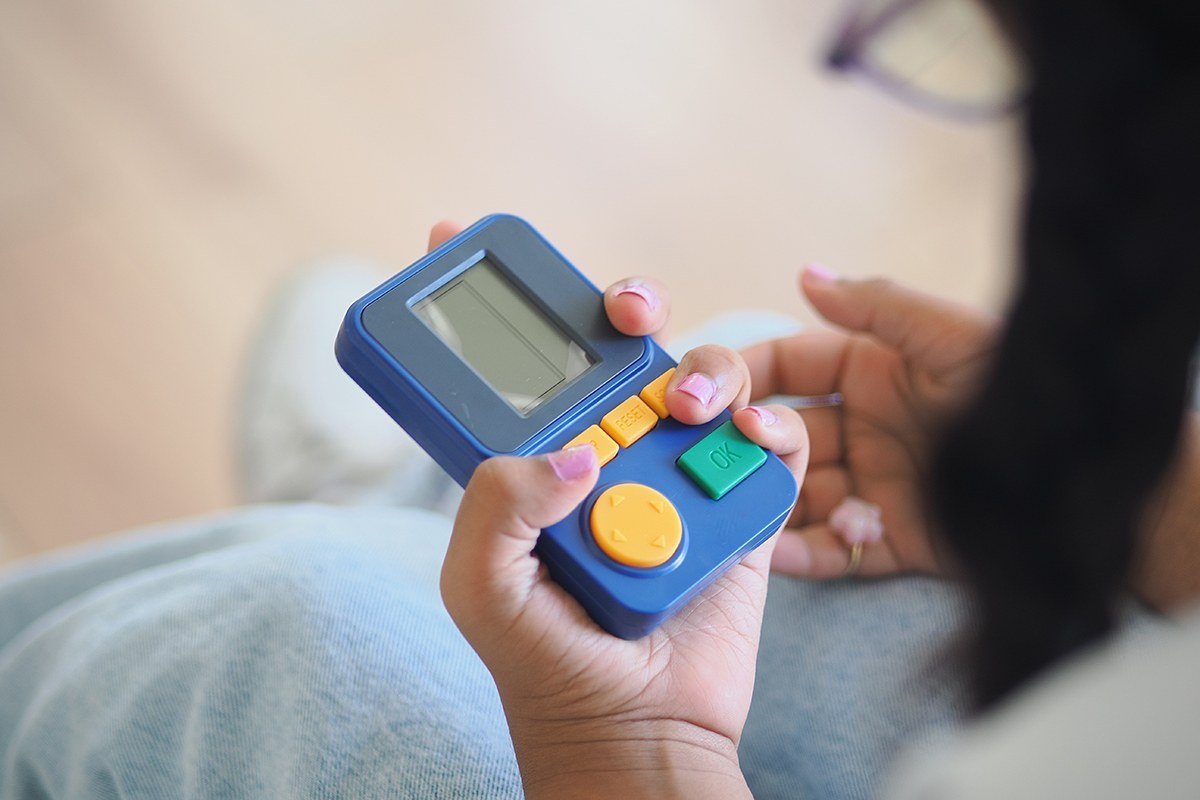
Retro marketing helps companies sell familiar products, characters, and images in an updated form. Positive memories are already established, so the brand doesn’t have to earn the audience’s trust from scratch.
This approach is based on the return of trends approximately every 30 years. The generation that grew up with certain music, cartoons, games, and other cultural elements becomes financially independent by that time. Then, remakes and updated versions of familiar products appear on the market.
According to Alexey Romanchuk, founder of the marketing blog BrandPlatform.by, nostalgia allows companies to attract customers’ attention more cheaply. The company relies on an existing emotional connection rather than building one from the ground up. Additionally, customers themselves discuss such products, share memories, and thereby create organic reach.

One of the strongest memory triggers is music. Companies are willing to purchase expensive licenses for old hits to link a product with childhood or youth experiences. As an example, Romanchuk cites a television advertisement for Jacobs coffee featuring a familiar 1980s song: the recognizable melody instantly transports the viewer back to the past.
For millennials, this mechanism is especially noticeable because many people aged 40–45 already have children. Through old cartoons, toys, and other familiar images, parents share a part of their own childhood with their kids. The emotional reaction in such moments can outweigh rational purchase evaluation.
For instance, manufacturers retain the original pixelated design and plastic cases in updated versions of Tetris and Tamagotchi. Although modern children mostly play on phones, adults still buy these items to recount their own experiences and relive them with their children.
Romanchuk himself describes buying a model car as compensation for emotions he lacked in childhood. For the millennial generation, the experience of the 1990s deficit remains an important factor. When a brand effectively revives a familiar image, the customer parts with money more easily.
The childhood rule of 'you might not get what you want' shifts in adulthood to the mindset of 'I can afford it if I want.' As a result, people buy toys that were once inaccessible to them.
Two Types of Nostalgic Capital
When choosing a strategy, a brand must determine which past it is working with. The marketer identifies two main directions.
The first is the use of someone else’s nostalgic capital. In this case, the emotional connection arises not with the product’s history but with a well-known character, film, or cultural phenomenon. The company essentially borrows a familiar image for temporary use. For example, the box-office film featuring Cheburashka used the character from a Soviet cartoon and quickly attracted audience attention.
The advantage of this approach is that the company doesn’t need years to build recognition. A familiar character immediately triggers ready-made associations. The Cheburashka story showed that one image could boost interest in an entire product category—from toys to books—within weeks. The primary audience, however, is not children but their parents, particularly millennials aged 35–45.
The second direction is a brand’s own nostalgic capital. This is used by enterprises that have become part of personal and national memory for customers. Examples include condensed milk in the iconic blue can with an unchanged design, 'Spartak' and 'Kommunarka' candies, Lida sneakers, and 'Lidskoye' kvass. These brands don’t need to borrow external characters: they themselves are already associated with the past.
What Zoomers Will Miss
In 15–20 years, according to Romanchuk’s forecast, Zoomers will also become an audience for nostalgic marketing. They will buy not only memories of specific products but also images of the digital environment from their childhood.
While millennials often return to material things and an era of change, Zoomers may feel nostalgia for the early internet and old interfaces. For them, the period when smartphones didn’t yet have widespread artificial intelligence, and bloggers, videos, and cartoons were perceived as human-made rather than AI-generated, will become valuable.
Such images may include early 'Smeshariki' (Kikoriki) and other elements of digital culture. Future corporations, the expert believes, will be able to build new profitable products on the longing for the pre-mass AI era.
How Brands Turn Memories into Products
Large companies already leverage childhood memories both in the global market and in Belarusian realities.
LEGO is developing its Adults Welcome line for customers aged 18 and up. It includes complex constructors, such as exact replicas of the retro NES console and interiors from the series 'Friends.' For adults, such sets become not only entertainment but also a way to briefly switch off.
Netflix builds part of its content strategy around series like 'Stranger Things,' as well as acquiring rights to old sitcoms. Familiar plots and styles turn the platform into an emotionally safe space for viewers.
Why Purchases Feel Like a Return to Childhood
Psychologist Anna Kravtsova believes nostalgia only works when there is a genuinely warm memory. During periods of fatigue and high stress, a familiar image can provide a sense of security and temporarily distract from current problems.
For millennials, this is especially relevant due to the combination of multiple pressure sources: aging parents, growing children, and career responsibilities. Against this backdrop of stress, the brain seeks familiar safety signals. Seeing a familiar object, a person may unconsciously associate it with carefree vacations and other calm periods of life.
Such marketing creates the illusion that everything is fine and that many opportunities lie ahead. As a result, the customer sometimes buys not the product itself but the emotional state it promises.
Nostalgic purchases also help compensate for childhood limitations. A large LEGO set, an expensive Barbie doll, or a whole box of Kinder Surprise allows people to relive the joy of owning something they once only dreamed of as children.
However, a familiar item doesn’t always meet expectations. Outside its original context, it may turn out to be of lower quality or simply fail to evoke the same emotions. The buyer notices that the product is not the same as in childhood and doesn’t bring the expected joy.
According to the psychologist, such disappointment can also be useful. It helps separate the real properties of the item from the idealized image of the past and accept that time has changed.
Another reason for nostalgic purchases is the search for people with shared experiences. A T-shirt, toy, music, or packaging of a familiar product allows one to feel that there are others who remember and value the same things. After the period of pandemic isolation, the need for such a sense of belonging has become more noticeable.
By revisiting the music, films, and objects of their youth, a person reassesses their own experiences: what was important to them then and how it relates to their current life. In this sense, nostalgia can function not only as an attempt to return to the past but also as a way to better understand the present.