SALT London: Cybersecurity to Surpass AI, Number of Robots to Increase 30-Fold
What future investors envisioned at the international investment forum in the UK
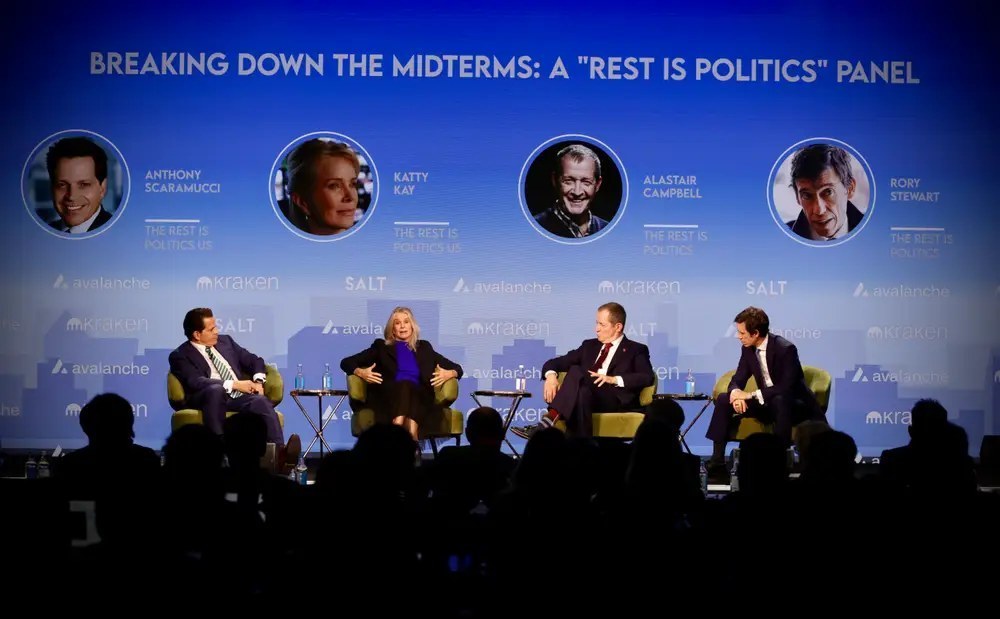
At SALT London, the prospects of AI were discussed against the backdrop of data from Anthropic: in the first nine months of the year, the company earned $2.4 billion in interest income, while its operating loss amounted to approximately $1.3 billion. By the end of September, it had around $96 billion in cash and cash equivalents.
Jack Selby, Managing Director of Thiel Capital and Managing Partner of Copper Sky Capital, believes that the euphoria surrounding AI may end before the close of this year. He linked the risk of a downturn to the high cost of chips, data centers, and other infrastructure, as well as overly optimistic narratives companies use to attract capital. Selby also questioned Anthropic's intention to go public with such a volume of cash reserves.
Nick Faingold, Founder and Executive Chairman of Curation Capital, believes that AI development will eliminate some standardized professions but could create hundreds of thousands of jobs in financial services. According to his forecast, a potential merger between SpaceX and Tesla could allow Elon Musk to promote the idea of a large-scale job creation program. No timeline for such a merger has been specified.
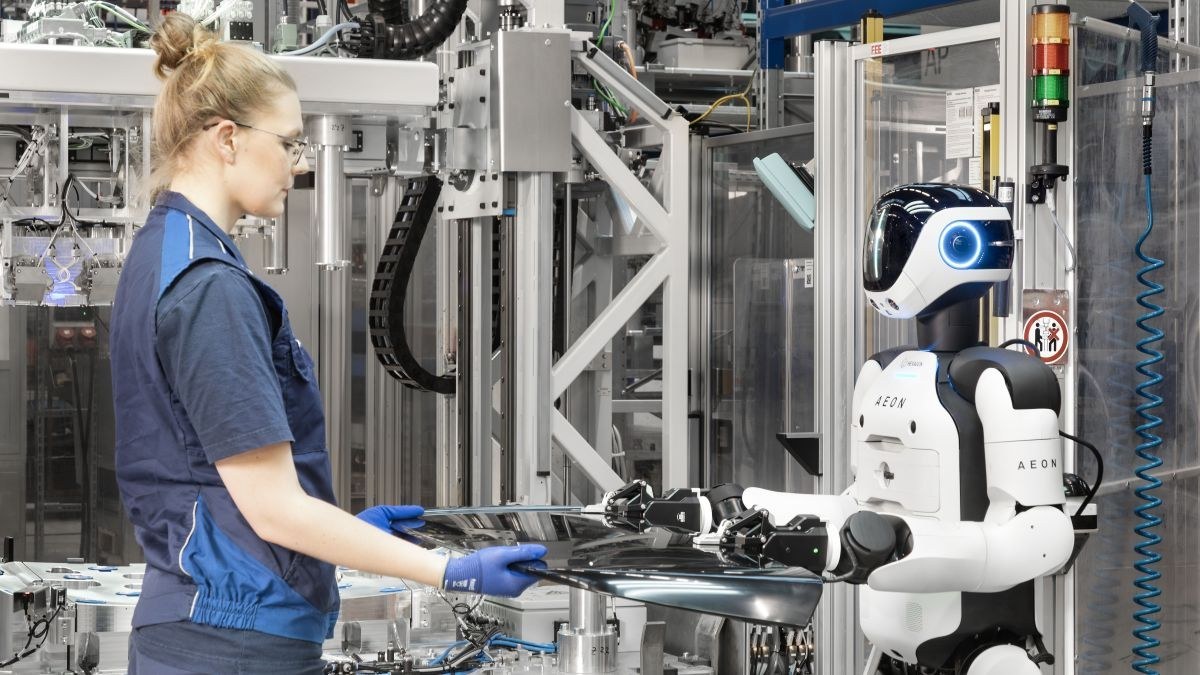
Stephanie Link, Chief Investment Strategist at Hightower Advisors, stated that cybersecurity could eventually become a larger sector than AI. She anticipates demand for new data centers, modernization of the U.S. power grid, and additional capacity. In her estimation, by 2035, the number of operational robots is expected to grow roughly 30-fold—to over 150 million. Meanwhile, Faingold's company uses the Curation Connect platform to transform regulatory disclosures into videos and explanatory materials.