Gas Prices in Europe Rise Amid Uncertainty Over War with Iran
As of November 10, European storage facilities were 72% full—below the five-year average for this period
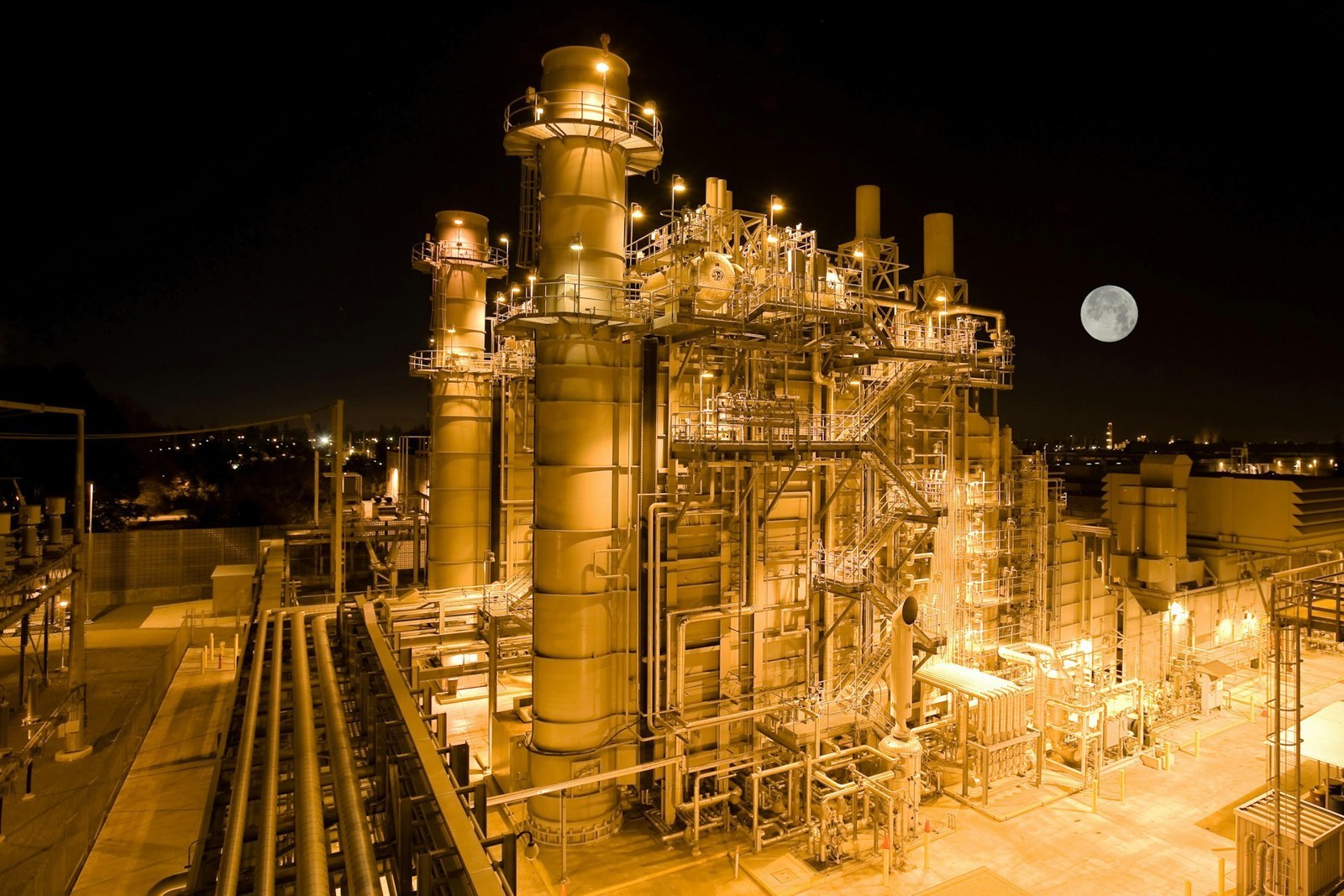
In Amsterdam (Netherlands) on Wednesday, the price of the front-month gas contract on the Title Transfer Facility (TTF), the benchmark for the European market, rose by 2.7% by 9:30 AM, exceeding 87 euros per MWh.
Quotes began to recover after hitting a one-month low earlier in the week. At that time, oil and gas markets sharply declined following signals from U.S. President Donald Trump that a new attack on Iran was not yet planned. However, Trump stated that the U.S. was prepared for a military campaign if necessary.
On Wednesday, traders grew less optimistic about a peaceful agreement between the U.S. and Iran. Market sentiment was also affected by ongoing attacks on tankers in the Strait of Hormuz: following oil, European gas prices also increased.

The current price remains below the over four-year high recorded at the end of October. Meanwhile, liquefied natural gas (LNG) shipments through the Strait of Hormuz still lag significantly behind pre-war levels. QatarEnergy has extended force majeure on supplies at least until the end of December 2026.
As of November 10, European gas storage facilities were 72% full—below the five-year average for the start of the heating season. With the onset of the heating period and dropping temperatures, reserves have begun to decline in most European Union countries.
The International Energy Agency has warned that the global gas market may remain tight next year. According to the agency’s assessment, Europe enters the heating season with the lowest gas reserves in over a decade.