How the War with Iran Is Reshaping US Military Presence in the Middle East
Experts believe that after the war ends, the US may reduce and alter the deployment of its forces in the Middle East, as damage to bases has exposed vulnerabilities in the current system.
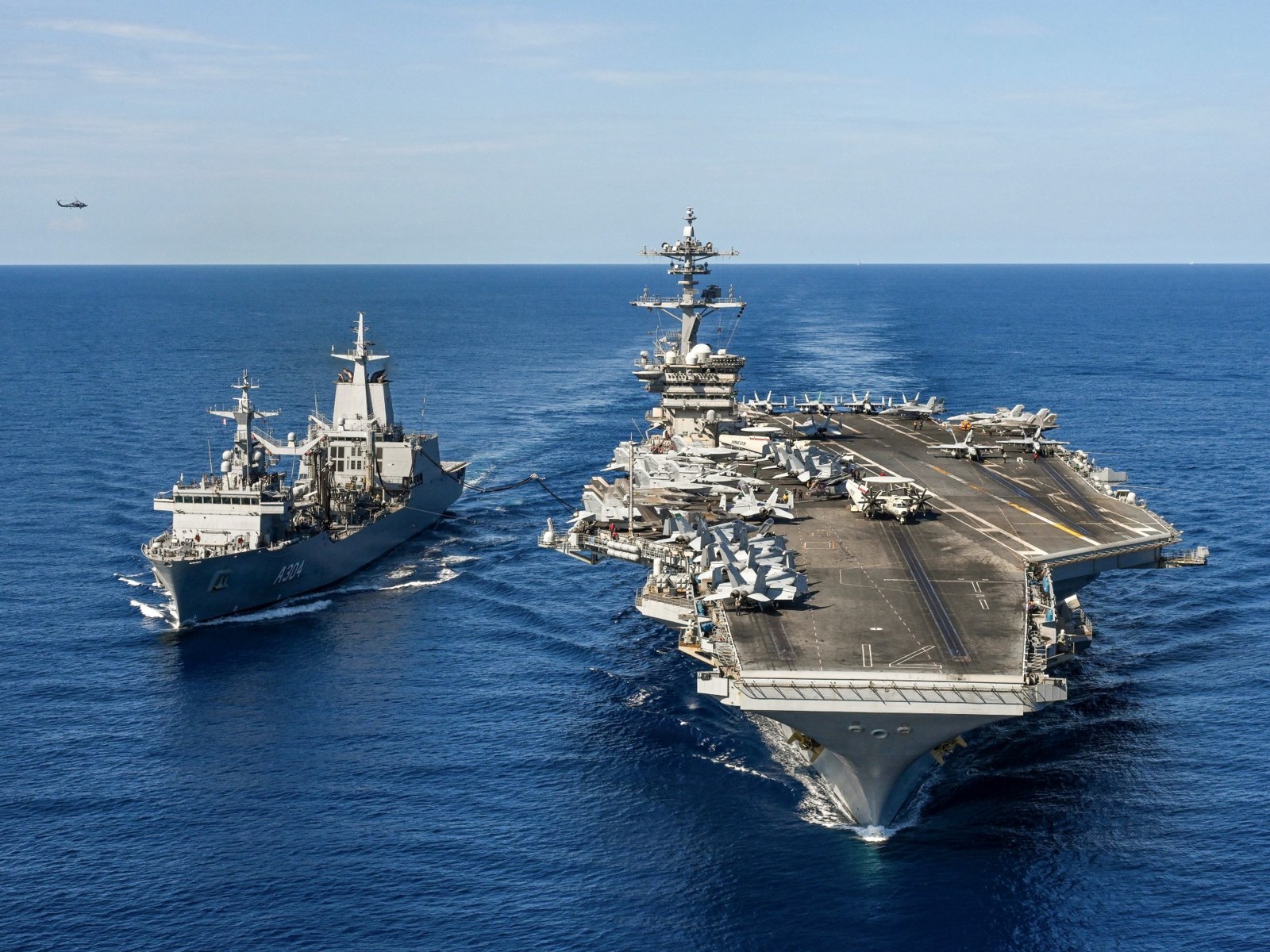
The war has damaged US military facilities in the Middle East and may lead to a review of their deployment. The region hosts up to 50,000 US military personnel and around 19 major bases.
Hundreds of structures at these facilities were damaged following Iran's attacks, which began on February 28. According to the Center for Strategic and International Studies, restoring the infrastructure could cost $9.4 billion. NSA Bahrain, which houses the US Naval Forces Central Command and the Fifth Fleet, suffered significant damage; the Congressional Research Service estimated repairs at over $400 million.
Experts do not expect Washington to restore all damaged facilities after the war. Some facilities may be relocated underground or farther from the Persian Gulf, while a network of airfields and temporary sites could replace large permanent bases. However, simply moving away from Iran is not considered full protection due to the development of long-range drones and missiles.
Reducing the military presence has remained a goal of several US administrations, though new conflicts have hindered its implementation. The regional balance of power may also be influenced by the defense agreement signed in August by Saudi Arabia, Turkey, and Pakistan; experts believe it could reduce these countries' dependence on US resources.